

I recently installed several new faces on my Apple Watch:
Mickey Mouse
Snoopy
a silly ghost
a breath timer.
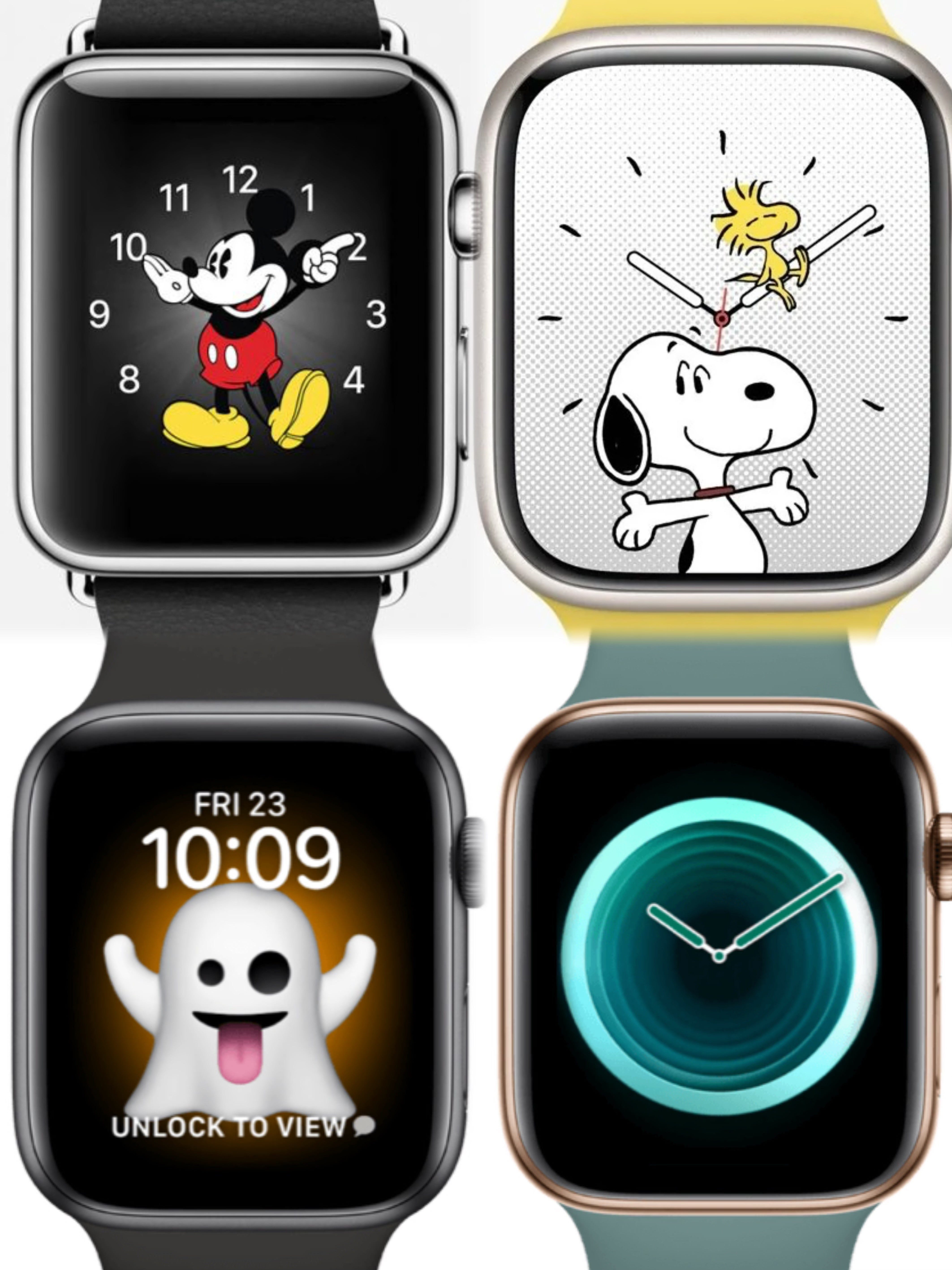
Mickey, Snoopy and the silly ghost were installed because they’re fun, to help me remember to approach life with a sense of play. The breath timer was installed, for when I’m winding down in the evening or need to regain my focus.
I also disabled many notifications. With exception to a few ‘acceptable’ apps, like the ‘time to stand’ reminder, I no longer get frequent buzzing sensations on my wrist. I hadn’t realised just how distracting this had become.
On Sunday morning, for example, I was enjoying a beautiful spring day outdoors at the park. While there, 72 messages were circulated in a WhatsApp group I’m part of. Previously I would have been notified of each and every one of them. This time, I didn’t know about any of them until hours later. I didn’t need to.
In our lives, we face disruptions and distractions. I find it helpful to think of disruptions as unavoidable interruptions we have to deal with, and distractions as avoidable interruptions we choose to allow.
A disruption could be minor such as a call from an important client or the need to tend to nature’s call, or something significant such as a major illness. You don’t get a choice, lest you face undesirable consequences.
A distraction is most activities involving your smartphone, and many other trivial matters your mind may be attracted to. So long as you notice it happening, you have a choice and there is little consequence of ignoring the distraction.
In the last sentence lies the key: Noticing. Some distractions can be avoided by physically preventing them, such as disabling notifications. However, it’s important to understand in many instances you can’t choose if a distraction occurs, your mind will just serve them up on its own, but you do get to choose your response.
Once you notice you’re (getting) distracted, you have a choice to allow it or not. It’s ok to consciously allow some distractions, especially if you’re due a break and need to stand up, but ultimately being aware of what’s going on in your mind makes all the difference.
That takes practice. One technique I find helpful in honing this skill is deliberately turning my attention to my breath for a minute, several times an hour, and observing what my mind does during that time. Whenever it wanders, I bring attention back to my breath.
With a technique like this, eventually you’ll start to quickly notice when your attention is moving to a distraction throughout the rest of the day. Then in those moments, you choose to consciously allow the distraction, or stay focussed on your task.
Did you enjoy this article? Help others enjoy it too by liking, restacking, sharing or leaving a comment
Cover image: Mashup from images found on Buddywatch, Reddit and Pinterest posts